Green Propolis: The Brazilian Secret of Nature’s Balance
By J.L. Paes-Leme
Where It All Begins
Deep in the southeastern regions of Brazil, bees visit a plant called Baccharis dracunculifolia. This plant produces a sticky resin that the bees collect and mix with wax and enzymes to create a vibrant green form of propolis. Known as green propolis, it has become one of the most recognized varieties in the world because of its purity, color, and connection to Brazil’s incredible biodiversity.
Green propolis begins as a local treasure, but its story has reached far beyond the forests where it is made. Every jar or bottle that carries it is a small piece of Brazil’s natural harmony, preserved through the work of the bees.
The Origin of Green Propolis
What makes green propolis special starts with the plant life itself. Baccharis dracunculifolia grows abundantly in the highlands of southeastern Brazil, where the soil is rich and the air is warm for most of the year. The bees use resin from this plant to seal and protect their hives, creating a natural barrier that keeps the colony healthy and strong.
The unique chemistry of this resin gives green propolis its distinct color and aroma. It contains a diverse range of naturally occurring compounds derived from the plants of the region. Because the environment plays such a large role in shaping the resin, green propolis carries the unmistakable signature of Brazil’s ecosystem.
You can read more about this relationship between plants and bees through studies published inScienceDirect.
Green Propolis and Brazilian Biodiversity
Brazil is home to some of the richest biodiversity on Earth, and that variety is reflected in the composition of its propolis. Bees living in different regions have access to hundreds of potential resin sources, but those that collect from Baccharis dracunculifolia produce propolis with a particularly vibrant green hue.
This plant grows in areas with clean air and minimal industrial influence, which makes the resulting propolis naturally pure. It represents the balance between bees, plants, and the landscape that sustains them.
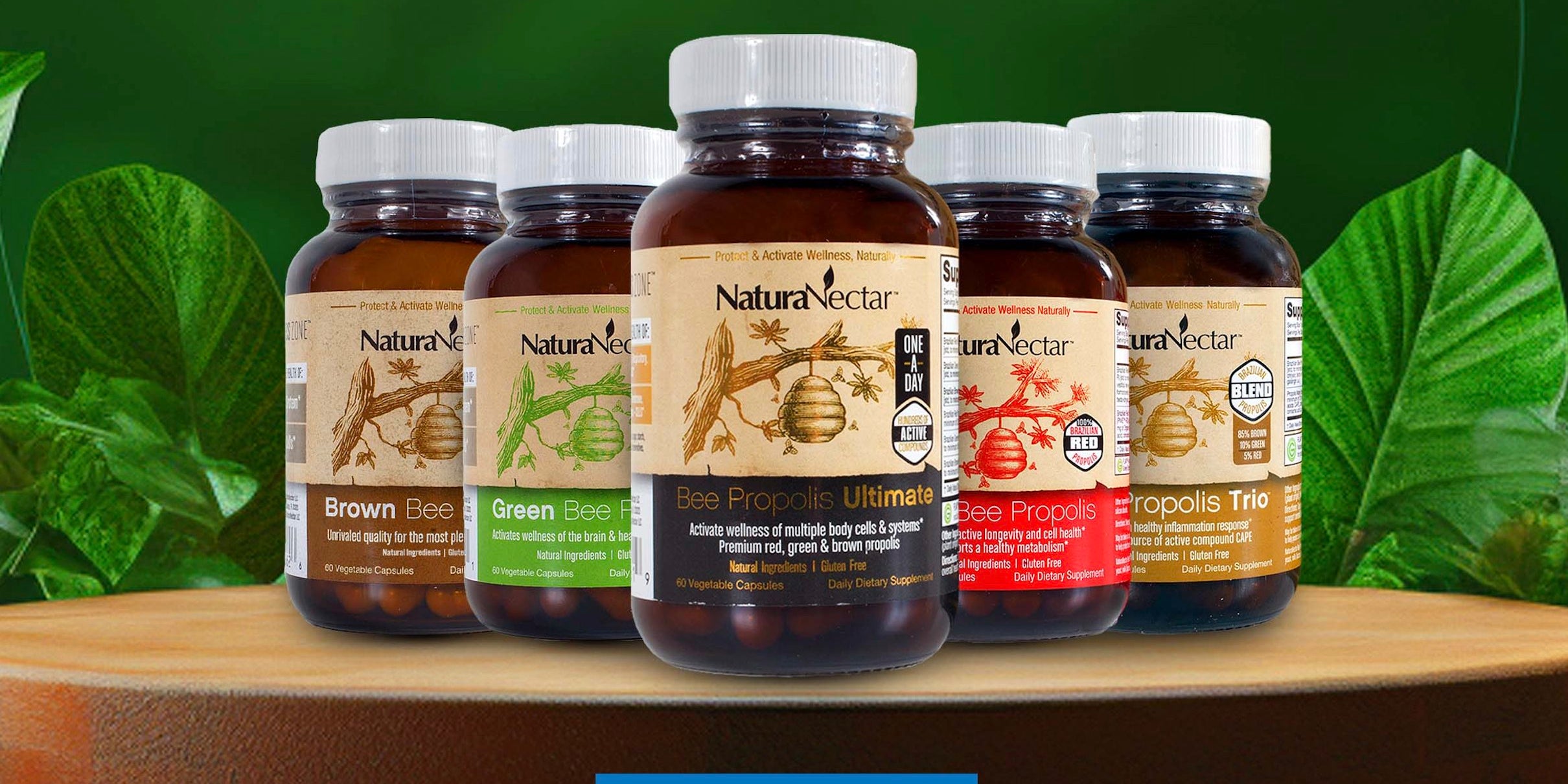
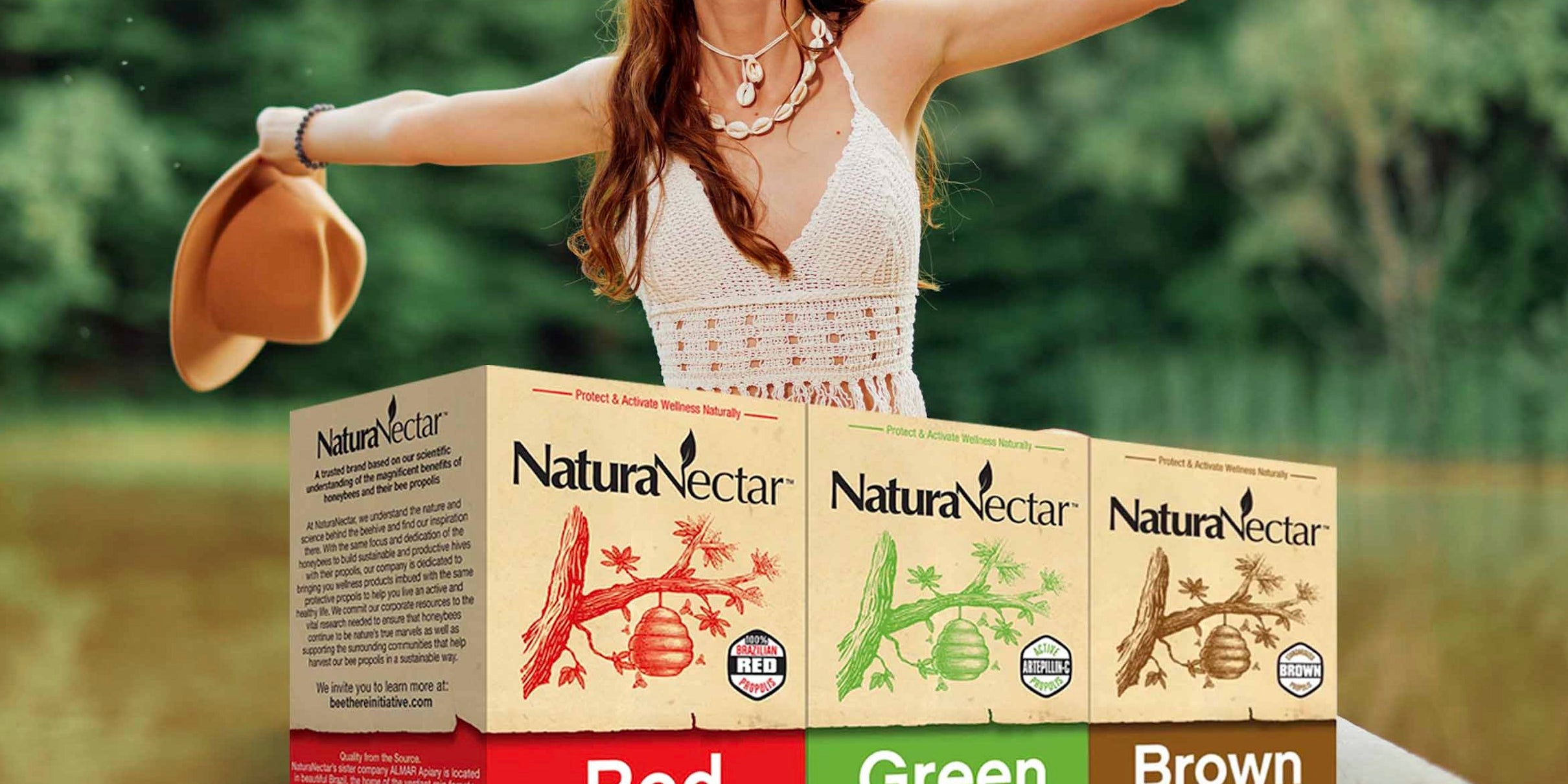
At NaturaNectar, every bee propolis product begins with this same principle. Every collection method protects the bees and ensures that the local environment remains untouched.
How Green Propolis Differs from Other Types
Propolis can vary dramatically depending on the plants bees use to create it. Green propolis is only one of several distinct varieties.
Red Propolis comes from Dalbergia ecastaphyllum, a plant that grows along Brazil’s northeastern coast.
Brown Propolis is found in many parts of the world and is usually made from tree resins such as birch or poplar.
Green propolis stands out because of its freshness and the distinctive green tint that comes from the natural compounds in Baccharis dracunculifolia. These differences are what make Brazilian propolis some of the most studied and admired in the world.
Sustainability and Stewardship
Green propolis can only exist if the bees and the plants remain in balance. Sustainable harvesting is essential for keeping that relationship intact. At NaturaNectar, beekeepers use gentle techniques that allow the bees to continue their natural work while collecting only what is needed.
This care ensures that every hive stays strong and that the surrounding plant life continues to flourish. By choosing responsibly sourced propolis, consumers help protect not only the bees but also the ecosystems that make their work possible.
Sustainability is more than a policy; it is a partnership between humans and nature.
Bringing Green Propolis into Daily Life
People are drawn to green propolis for its connection to nature and the way it reflects environmental balance. It can be found in capsules, sprays, and extracts, making it easy to include in daily routines. Some prefer to start the morning with a supplement, while others keep a propolis spray nearby throughout the day.
No matter how it is used, green propolis represents a simple reminder of nature’s order and cooperation. It is a daily symbol of how much we depend on the work of the bees and the health of the plants around us.
If you are just beginning to explore propolis, visit our educational article on Bee Propolis to learn how it forms inside the hive and how it has become part of human life across cultures.
Green propolis is more than a regional variety. It is the result of millions of tiny interactions between bees and plants, guided by the rhythm of Brazil’s natural world. Each drop tells a story about the land it came from and the delicate cooperation that made it possible.
When you choose green propolis, you are choosing a product that reflects balance, sustainability, and respect for nature’s design. It is proof that even the smallest creatures can create something extraordinary when they work in harmony with their environment.
* THESE STATEMENTS HAVE NOT BEEN EVALUATED BY THE FOOD AND DRUG ADMINISTRATION. THIS PRODUCT IS NOT INTENDED TO DIAGNOSE, TREAT, CURE, OR PREVENT ANY DISEASE.